

 Lockout help
 Home locks
 Business locks
 Car access
 Car keys
 Rekeying
 Lock repair
 Garage doors
01
Begin with what still works
Can an authorized person currently unlock, open, close, and secure the entrance? If so, describe the key-control concern separately. For residential locksmith work, the distinction matters: a planned change of access and a door that has stopped operating do not begin with the same practical questions.
If a key is missing, record which doors it operated. A front entrance, a back door, and another private lock may or may not share the same key. Explain the actual arrangement rather than assuming that changing one cylinder would address every copy or every entrance you are concerned about.
02
Consider the keying question
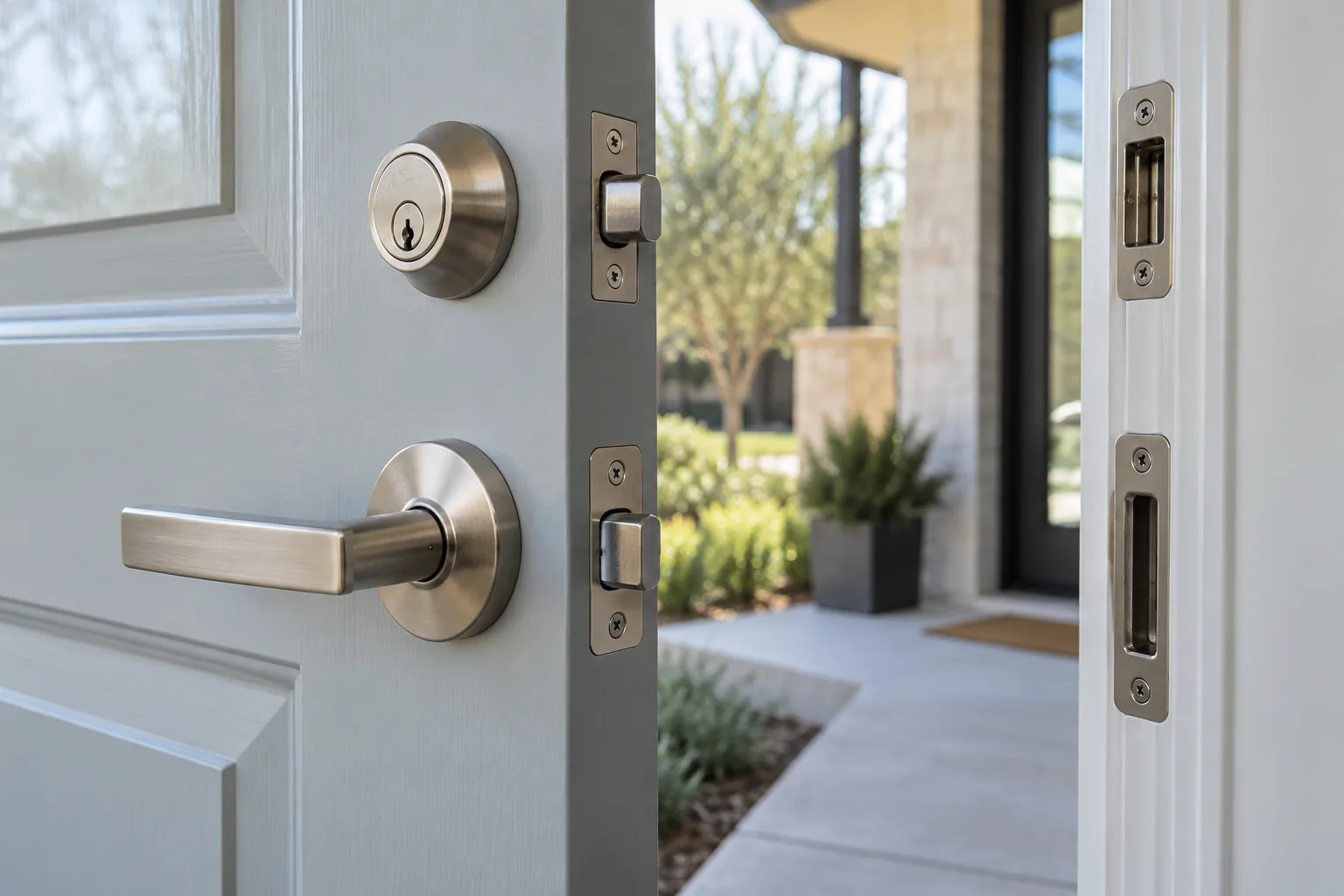
Where the existing hardware is compatible and in suitable condition, rekeying may change the operating key while retaining the lock. That possibility needs assessing; it is not a promise that every cylinder can be rekeyed. Mention any stiffness, unreliable latching, or loose parts before the options are discussed.
A tenant should identify who can approve work on the private entrance and keep shared building access separate. If several household members need keys afterward, describe the intended arrangement clearly. The useful result is a key plan everyone understands, rather than an unspecified request to change everything because one old key is unaccounted for.
03
Use the home's address
Heritage Park at 203 Cullum Drive preserves historic buildings in Euless. You might notice a missing home key after an outing there, but the address needed for a home enquiry is where the affected lock is located. Use the park only as context and provide the residence's street number, unit if relevant, and entrance.
Contact LockReach on 469-484-6619 to discuss the Euless property and current availability. State whether you can enter now, what should happen to old keys, and who can approve the work. The contact page helps you prepare those details before agreeing on the practical scope and the basis of the price.