

 Lockout help
 Home locks
 Business locks
 Car access
 Car keys
 Rekeying
 Lock repair
 Garage doors
01
Return access comes first
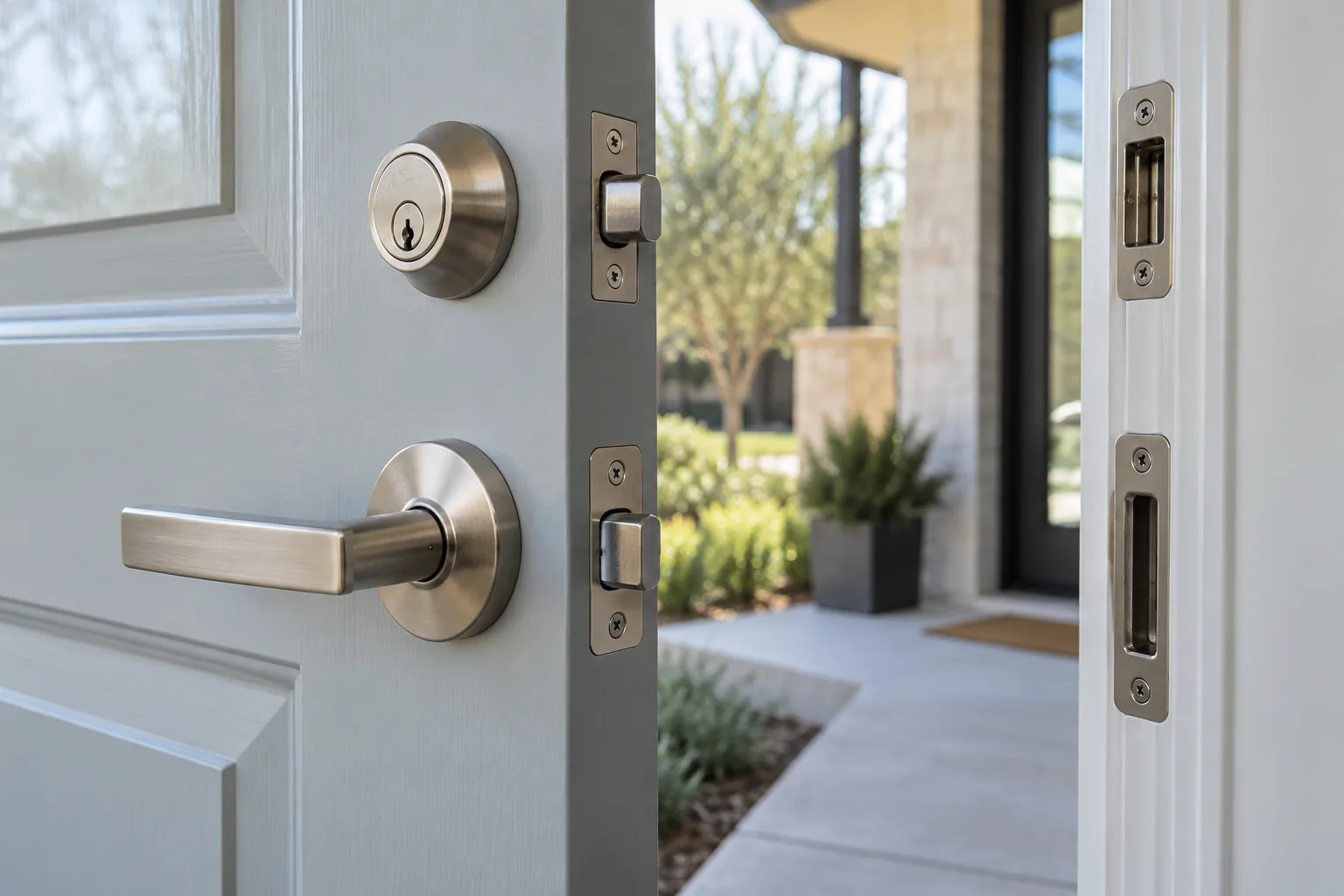
Check whether another authorized person has a working key and can reasonably help. If you remain unable to enter, explain which entrance is locked and whether the key is known to be inside or genuinely missing. The lockout information focuses on authorized entry, rather than assuming that every lost key calls for new hardware.
Have a way to establish your connection to the property ready, and identify the person who can approve work if the home is rented or managed. You do not need to solve the technical problem before calling. You do need to make clear whose door it is, whether anybody can currently enter, and how you can be contacted.
02
Think beyond the next opening
A key left on a kitchen counter and a key lost with an address label create different concerns. Explain what is known rather than making assumptions about who has it. Our guide to what to consider after a missing key helps separate the access request from the decision about ongoing key control.
If you want the missing key to stop working, discuss the locks it operated. Rekeying may be possible for compatible hardware, but the condition and arrangement of each lock still matter. Include doors beyond the main entrance if the same key operated them. Otherwise the proposed change may address only part of your concern.
03
Give the home, not the outing
Lakeside Park follows Turtle Creek between Beverly Drive and Armstrong Parkway in Highland Park, Texas. That tells the story of where you were, not necessarily where the affected lock is. Give the home's actual street address and entrance details; a local landmark cannot confirm the location or availability of a visit.
Discuss the Highland Park enquiry with LockReach at 469-484-6619. Say whether you need entry now, a planned key change, or both, and ask what the proposed price covers. The contact page brings together the details to prepare so the request can be assessed on the actual property and situation.