

 Lockout help
 Home locks
 Business locks
 Car access
 Car keys
 Rekeying
 Lock repair
 Garage doors
01
Small changes tell a story
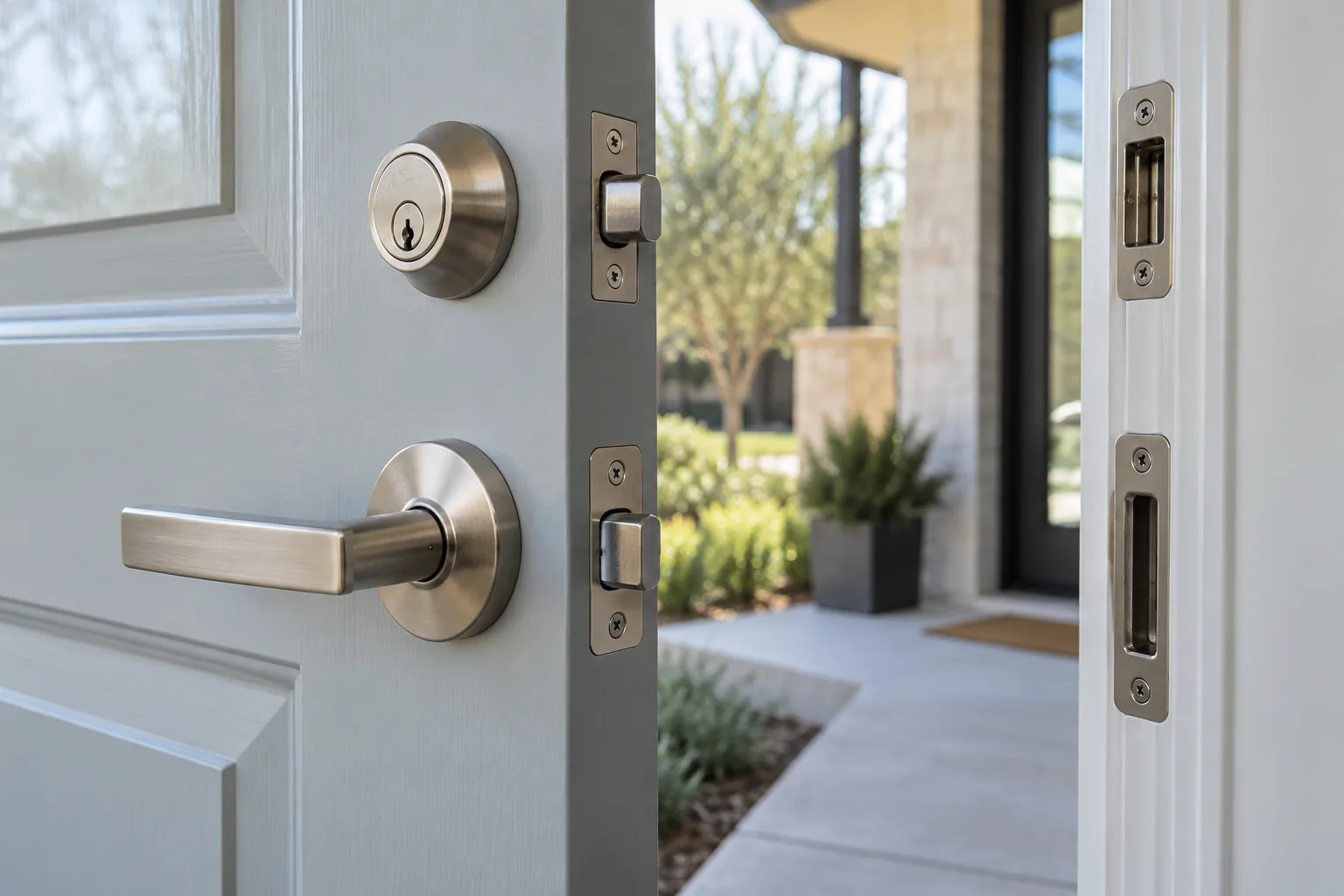
Think about when the difficulty began. Does one key behave differently from another? Is the key hard to insert, hard to turn, or difficult to remove? If you already know the lock behaves differently with the door open, mention it. Those observations help frame a lock repair assessment without guessing the cause.
Do not keep forcing the key to demonstrate the problem, and do not dismantle the lock just to obtain a part number. A simple account of the symptom is useful. Explain whether the entrance still opens and secures normally, intermittently works, or has stopped functioning, because those are meaningfully different situations.
02
Identify the responsible entrance
Snider Plaza is a walkable commercial district in University Park. For a business there, a store name can provide context while the street address and suite identify the request. Specify whether the affected lock is on your storefront, a private internal door, or an entrance used by other occupiers.
The person with a working key is not necessarily the person who can approve changes. Establish whether your business, a landlord, or a property manager controls the lock. Our commercial locksmith information explains why permissions and the practical scope should be clear before discussing repair or replacement.
03
Keep key control in view
Sometimes a reluctant key coincides with a staff change. Describe the mechanical symptom and the concern about old keys separately. Repairing unreliable operation does not necessarily remove a former keyholder's access; changing the keying does not necessarily correct a door that binds. Each intended outcome needs to be included in the conversation.
Call LockReach on 469-484-6619 with the University Park address, what is happening at the door, and your authorized contact. Ask about availability and what must be assessed before the work can be confirmed. The contact page provides a useful starting point when several people are coordinating a shop's access.